
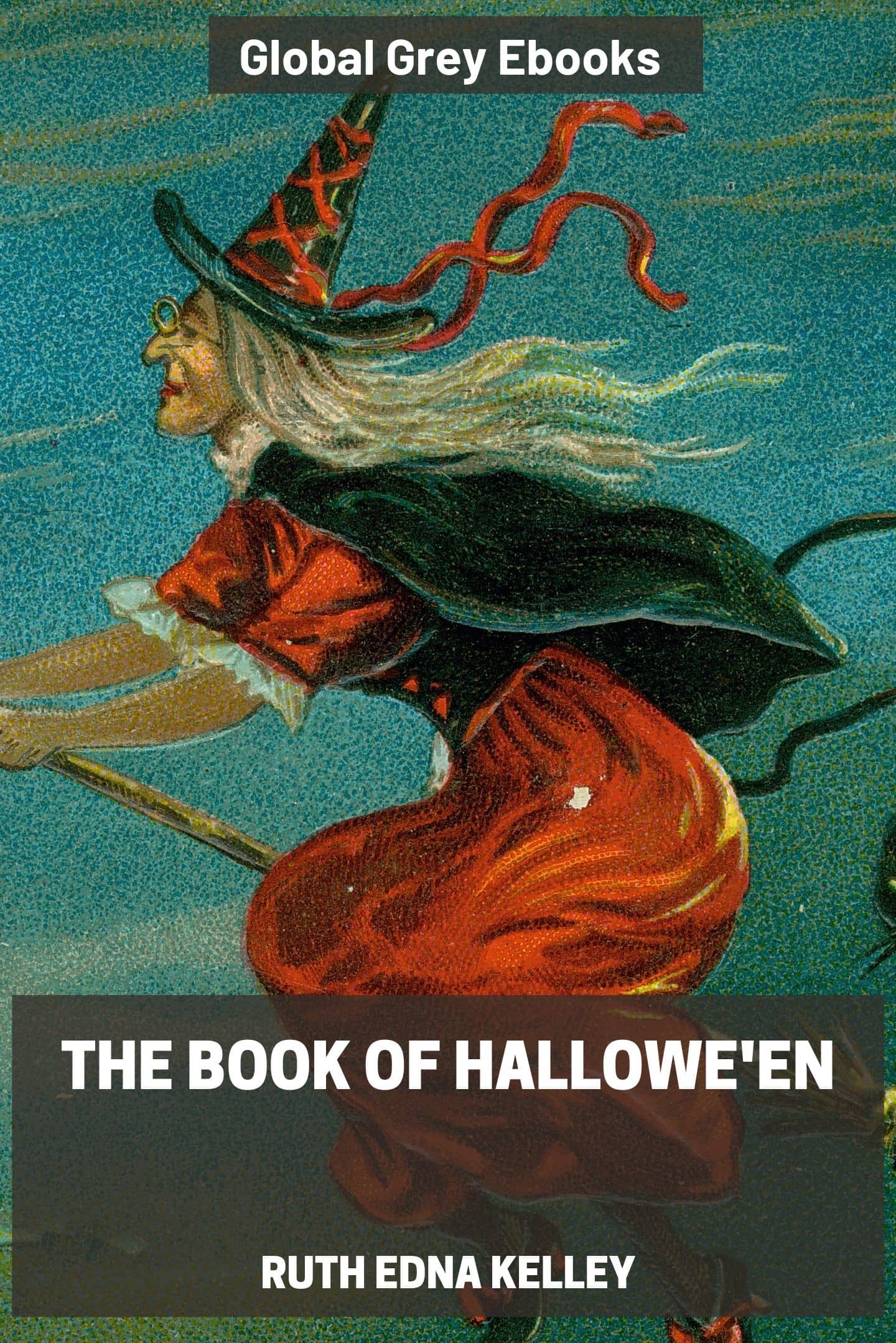
The Book of Hallowe'en
Description
The Book of Hallowe’en is a book by Ruth Edna Kelley, first published in 1919. It provides a detailed historical and folkloric exploration of Halloween, tracing its roots in ancient pagan festivals, Celtic Samhain, Christian All Saints’ and All Souls’ observances, and how the holiday evolved over centuries. Kelley examines a wide range of customs — omens, rituals, divinations, symbols (like jack-o’-lanterns, witches, black cats), food traditions, regional folk beliefs — showing how disparate cultural elements merged to form modern Halloween. The book is significant as the first full-length history of Halloween, combining scholarly research with accessible storytelling. It places Halloween in its broader cultural, religious, and seasonal contexts — including sun-worship and festivals tied to harvest and death — thus helping readers understand why the evening of October 31st has such rich and varied traditions today. Its influence is apparent in subsequent folklore and cultural histories of the holiday, especially in its emphasis on how customs survived or transformed through Christianisation, migration, and folk memory.
Related ebooks