Melmoth the Wanderer
Description
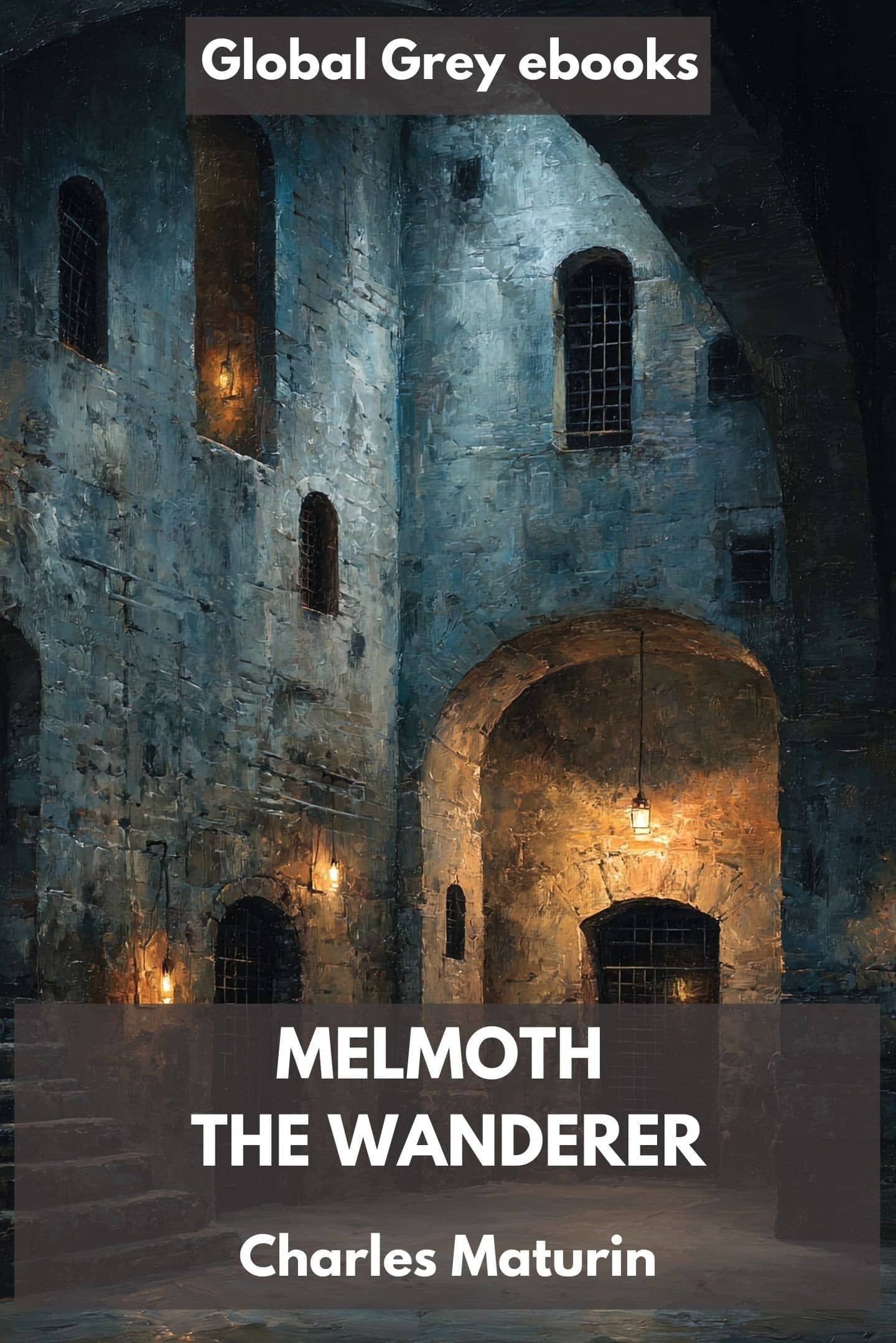
Melmoth the Wanderer is a novel by Charles Robert Maturin, first published in 1820. Regarded as one of the great works of Gothic literature, the book blends supernatural horror, religious obsession, psychological torment, and philosophical inquiry into a sprawling and unsettling narrative. The story centres on the legend of Melmoth, a man who has sold his soul in exchange for extended life and who wanders the world seeking someone desperate enough to take his terrible bargain.
The novel is framed through the experiences of John Melmoth, a young man who inherits his uncle’s estate and uncovers a disturbing manuscript hinting at a dark family secret. As he investigates the mystery surrounding his ancestor, he is drawn into a series of interlinked tales set across Europe and beyond. These stories introduce suffering figures such as Stanton, Immalee (also known as Isidora), and victims trapped within monasteries, prisons, and decaying institutions, all of whom encounter the sinister Wanderer at moments of extreme despair.
Melmoth himself appears as a spectral observer and manipulator, testing the moral limits of those he meets while remaining bound by the horrifying terms of his own pact. The novel’s bleak landscapes, claustrophobic interiors, and relentless atmosphere of dread firmly place it within the tradition of Romantic-era Gothic fiction.
Charles Maturin, an Irish clergyman and writer admired by later authors such as Edgar Allan Poe and Honoré de Balzac, used the Gothic form to explore profound questions about religion, freedom, and the cost of knowledge. Melmoth the Wanderer stands as a landmark work of dark literature, combining supernatural horror with intellectual ambition and enduring influence on later horror and psychological fiction.
Related ebooks